
Continuous ethanol exposure (15% v/v for 28 days) significantly upregulates dynamin-related protein 1 (Drp1) activity, increasing mitochondrial fission frequency while downregulating mitofusin 2 (Mfn2) expression 24. This imbalance in mitochondrial dynamics ultimately results in mitochondrial membrane potential reduction and impaired calcium buffering capacity 23. This metabolic crisis impairs synaptic plasticity within the hippocampus, a region critical for memory formation and consolidation, processes severely disrupted in AD. Sometimes, Wernicke-Korsakoff syndrome is confused with alcohol-related dementia. A deficiency of Vitamin B1 (thiamine) is the primary cause of https://ecosoberhouse.com/ Wernicke-Korsakoff syndrome; however, excessive alcohol consumption may contribute to the deficiency. Alcohol-induced dementia is a serious but potentially preventable condition caused by long-term alcohol abuse.
Treatment Programs by Location

This is, as long as they have not yet had an alcoholic drink on the day of testing. This assessment can help to provide a rough guide to whether they might have ARBD. However, a diagnosis can’t be confirmed until they have remained sober for several weeks. See a healthcare provider if you’re experiencing issues with memory or thinking. They can determine if the issues are due to alcohol-related dementia or another condition. Remember, they’re not trying to get you in trouble or make you feel shame.
- Recognizing symptoms early and taking action can greatly improve long-term outcomes.
- This is because it doesn’t continue to get worse if a person stops drinking and receives treatment.
- The symptoms of Wernicke’s encephalopathy can be different from person to person.
- Dedicated to ensuring equitable health in all communities, the organization has been a leading source of health information for more than one hundred years.
Cohort Studies
The life expectancy of individuals with alcoholic dementia is between 5-10 years, specifically, those with Wernicke-Korsakoff syndrome (WKS). To treat alcoholic dementia, the primary approach involves abstinence from alcohol, as continued consumption worsens cognitive decline. To diagnose alcoholic dementia, a comprehensive evaluation is required, which includes a detailed medical history, cognitive assessments, and neuropsychological tests. These tests focus on memory, attention, problem-solving, and executive functions. Treatment focuses on halting alcohol drinking through structured rehabilitation programs, alongside nutritional supplementation, particularly thiamine, and cognitive rehabilitation therapies to manage and ameliorate symptoms. If someone has WKS, early treatment with vitamin B1 can reverse the symptoms.
Dr. Jones on healthy eating guidance
Variations may also be due to the differences in the socio-demography of study samples. Epidemiological studies have tried to relate patterns of alcohol consumption and dementia. A review indicated a high prevalence of alcohol abuse in dementia patients (9% to 22%) and 10% – 24% prevalence of dementia in alcohol abusers (16). Alcohol Induced Oxford House Dementia is a cognitive disorder caused by long-term, excessive alcohol consumption, leading to brain damage, memory loss, and impaired thinking.
- Alcohol-related dementia (ARD) has received little recognition as a distinctive clinical entity, predominantly due to doubts regarding the etiopathogenesis and lack of pathophysiological profile typical for ARD.
- Alcohol-related “dementia” is an umbrella term sometimes used to describe a decline in cognitive function caused by chronic alcohol misuse.
- However, if the drinking is resumed, it again becomes vulnerable to disruption.
- This imbalance in mitochondrial dynamics ultimately results in mitochondrial membrane potential reduction and impaired calcium buffering capacity 23.
- After visiting the hospital on Monday, Williams said she had dinner with her niece, who had flown in to visit her, before returning to her assisted living facility.
- Dementia is an umbrella term for a variety of conditions that affect a person’s processing skills and memory.
Denying Our Mental Health: Why We Do It and How To Move Past It
The key pathways underlying these effects involve ethanol-induced direct inhibition of ChAT, upregulation of AChE activity, and epigenetic regulation (e.g., disruption of NGF metabolism), forming a synergistic interaction with Aβ toxicity in AD 37, 38. This synergistic cholinergic deficit disrupts the function of the septohippocampal pathway and cortical projections from the basal forebrain, key circuits for attention and episodic memory, which are profoundly impaired in AD. Content clinically reviewed and medically verified by licensed experts to meet California Prime Recovery’s highest standards of trust, transparency, and evidence-based care. Consistent practice, combined with proper medical care and a healthy lifestyle, can significantly aid the recovery of cognitive skills. The signs and symptoms of age-related dementia and alcoholic dementia are very much alike.
Treatment for alcohol-related brain damage
- The American Medical Association recommends that males have no more than two standard-sized drinks per day, and no more than 14 in a week.
- This affects how signals are processed by the brain cells and causes difficulty storing and retrieving memories.
- While the two conditions share some similarities, they have different causes.
- Females should have no more than one standard-sized drink a day, and seven or fewer drinks each week.
Reports from neurology and memory clinics suggest lower rates of ARD in dementia cases, around 3% – 5%, indicating less referral to these centers (21, 22). Older studies have suggested that of all cases of dementia, ARD accounts to approximately 10% (23). In a review by Smith, heavy use of alcohol induced dementia alcohol was a contributory factor in approximately 24% cases of dementia (24). Table 1 presents details regarding the literature searches conducted in preparation for this review.
Key Factors Behind Alcohol-Related Dementia
It’s very common for people who are addicted to alcohol to think that they are drinking a lot less than they actually do. However, a person with possible ARBD can still get medical attention and support even if they’ve not given up drinking by themselves. In fact, it’s very important that they don’t suddenly stop drinking without medical help, as this can make their symptoms worse. All of the information gathered during the diagnostic process will help the doctor rule out other types of dementia, including Alzheimer’s disease or vascular dementia. Cleveland Clinic’s health articles are based on evidence-backed information and review by medical professionals to ensure accuracy, reliability and up-to-date clinical standards.
Related Conditions
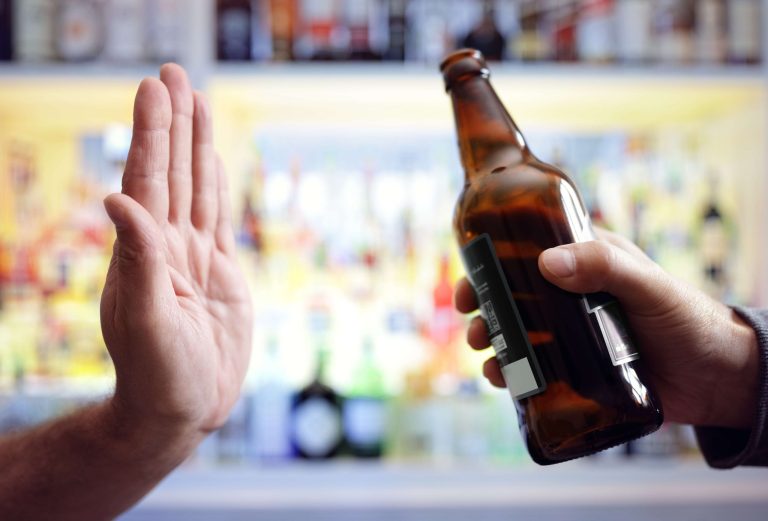
The suppression of hippocampal neurogenesis contributes to the volumetric loss observed in this region in AD and is thought to underlie aspects of learning and memory deficits. Alcohol Induced Dementia can be partially reversible in some cases, particularly if it is identified and treated early. The brain has some capacity to heal itself, but the extent of recovery depends on several factors, including the duration and severity of alcohol use, the presence of nutritional deficiencies, and whether the individual stops drinking. A diagnosis is made by ruling out other causes of dementia, such as Alzheimer’s or vascular dementia. It is important to use standardized diagnostic criteria, such as those found in the ICD-10 or DSM-5, to ensure accurate and consistent diagnosis. Once the withdrawal process is complete, you will most likely be sent to a mental health specialist for additional assistance.
When someone consistently drinks too much alcohol it can reduce the volume of the brain’s white matter, which is what helps to transmit signals between brain regions leading to issues with brain function. Alcohol-related brain damage (ARBD) is a brain disorder which covers several different conditions including Wernicke-Korsakoff syndrome and alcohol-related dementia. “Alcoholic dementia” is an older term commonly used to describe the medical condition now known as alcohol-related dementia or alcohol-induced major neurocognitive disorder. These terms are used interchangeably and describe a severe form of alcohol-related brain damage (ARBD). It is not possible to say how drinking within recommended guidelines affects the brain.